

Industry
Electrical Contracting
Challenge
Waiting on BIM slowed project controls down — the team needed to keep deliverables moving using the 2D drawing information they already had.
Results
Hays now turns 2D drawings into project controls outputs — grouping circuits and raceways and generating tables, graphs, and charts — producing certain deliverables within a couple of hours, with expansion into broader BIM capabilities already under discussion.
Key Product
BIM Wizard
We are still early, but I would recommend other electrical contractors try Drawer AI and see if it fits their needs. For us, the value is in helping connect the information and keep the workflow moving.


About Hays Electrical Services
Founded in 2007, Hays Electrical Services, Inc. is a leading national electrical contractor working across commercial, healthcare, hospitality, and mission-critical projects — including large-scale data centers. With roughly $800 million in annual revenue, around 2,000 employees, and a significant data center backlog, Hays operates at a scale where project information has to move quickly, clearly, and consistently.
How Hays is using AI-powered workflows to move project information faster and support complex data center work.
Hays Electrical Services works on some of the most complex electrical projects in the country, including hospitality, medical, and data center work. With approximately $800 million in annual revenue, about 2,000 employees, and several billion dollars of backlog tied to data center projects, Hays operates at a scale where project information has to move quickly, clearly, and consistently.
For Rick Booth, WBS Manager - Project Controls & BIM-SME at Hays Electrical Services, that means finding better ways to connect 2D drawings, BIM information, circuiting, routing, and the work breakdown structure needed to support project controls.
The challenge was simple: when teams are waiting on BIM, downstream workflows can slow down. Rick’s team still has deliverables to produce, management deadlines to meet, and project information to organize. They needed a way to keep work moving from 2D drawings into usable project controls outputs without waiting on every piece of modeling information to arrive.
That is where Drawer AI entered the conversation.
Hays has been using Drawer AI for a few months and is still in the early learning and implementation phase. Even in that short window, the team has started using the platform to support drawing-based workflows, group circuits and raceways, and generate the tables, graphs, and charts needed to move project information forward.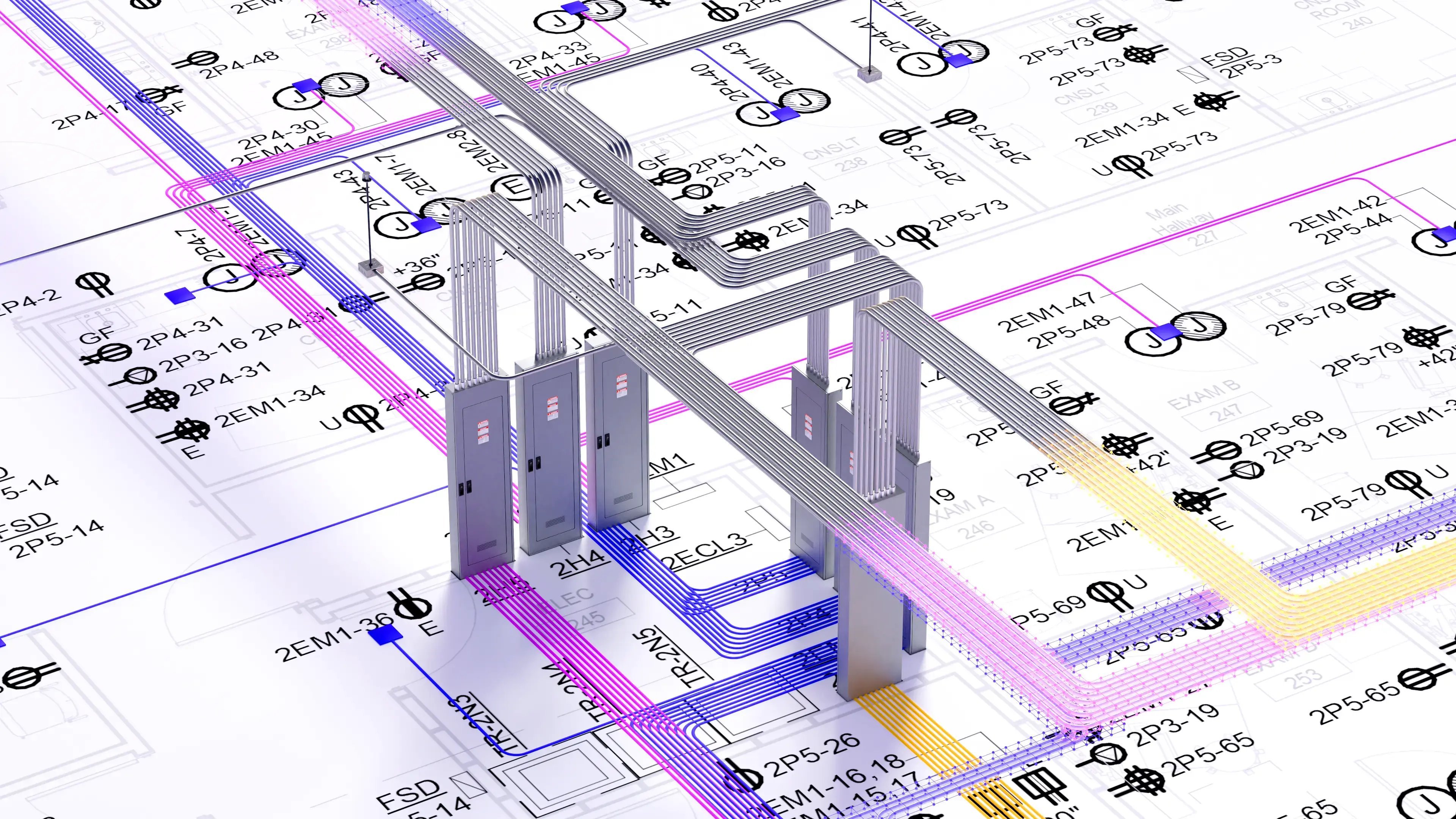
“Drawer AI is helping us bridge the gap between the 2D drawings and the project controls information we need to produce. We are still learning, but we can already see where it fits.”
Rick Booth, WBS Manager - Project Controls & BIM-SME, Hays Electrical Services
Suggested quote pending customer approval
For Den Lavrik, CEO of Drawer AI, this is exactly where AI can create meaningful value for electrical contractors: not by replacing the expertise inside project teams, but by helping that expertise move faster.
“The real power of AI in electrical construction is helping teams move from project information to usable answers faster. Drawer AI is built to automate the tedious work, connect the details, and give teams more confidence in how they plan, coordinate, and execute complex projects.”
Den Lavrik, CEO, Drawer AI
Quote pending internal approval
The Challenge: Waiting on BIM Can Slow Everything Down
Hays Electrical Services relies heavily on both 2D drawings and BIM to support project controls workflows. For Rick’s team, the work breakdown structure depends on drawing information, links, routing details, and the ability to organize project data in a way that supports execution.
The primary roadblock was timing. When BIM information was not available quickly enough, the team still needed to meet deliverables and management expectations. That created a clear need for a tool that could help bridge the gap between available 2D drawing information and the structured outputs required by project controls.
Rick began evaluating technology that could help the team move faster. Hays selected Drawer AI as a partner that could support their specific workflow needs and continue adapting with them during implementation.
“The biggest roadblock for us was waiting on BIM. We still had deadlines and deliverables to meet, so we needed a way to use the information we had and keep the workflow moving.”
Rick Booth, WBS Manager - Project Controls & BIM-SME, Hays Electrical Services
Suggested quote pending customer approval
The Solution: Turning 2D Drawing Information Into Project Controls Outputs
Drawer AI is helping Hays explore a faster way to work from 2D drawings while supporting the information needed for project controls and BIM-related workflows.
When drawings come in, Hays can use Drawer AI to help expedite drawing-based deliverables. Rick’s project controls team can then use the platform to group circuits and raceways and generate supporting tables, graphs, and charts. For a team managing complex project data, that ability to organize information and produce usable outputs quickly is a meaningful step forward.
While Hays is still early in implementation, Rick noted that his team can produce certain required outputs within a couple of hours using Drawer AI. That is the clearest success story so far: Drawer AI is helping the team move from drawing information to usable project controls deliverables faster, even while the broader implementation continues to mature.
“Once the drawings are in, we can use Drawer AI to help group circuits and raceways and generate the tables, graphs, and charts we need. That helps us fill the gaps and keep deliverables moving.”
Rick Booth, WBS Manager - Project Controls & BIM-SME, Hays Electrical Services
Drawer AI has also been responsive during onboarding. According to Rick, the Drawer AI team has been receptive and accommodating, actively working to align the platform with Hays’ specific needs. That follow-through is important because Hays is not simply testing a standard tool. They are looking for a technology partner that understands their workflow and is willing to help solve real business challenges.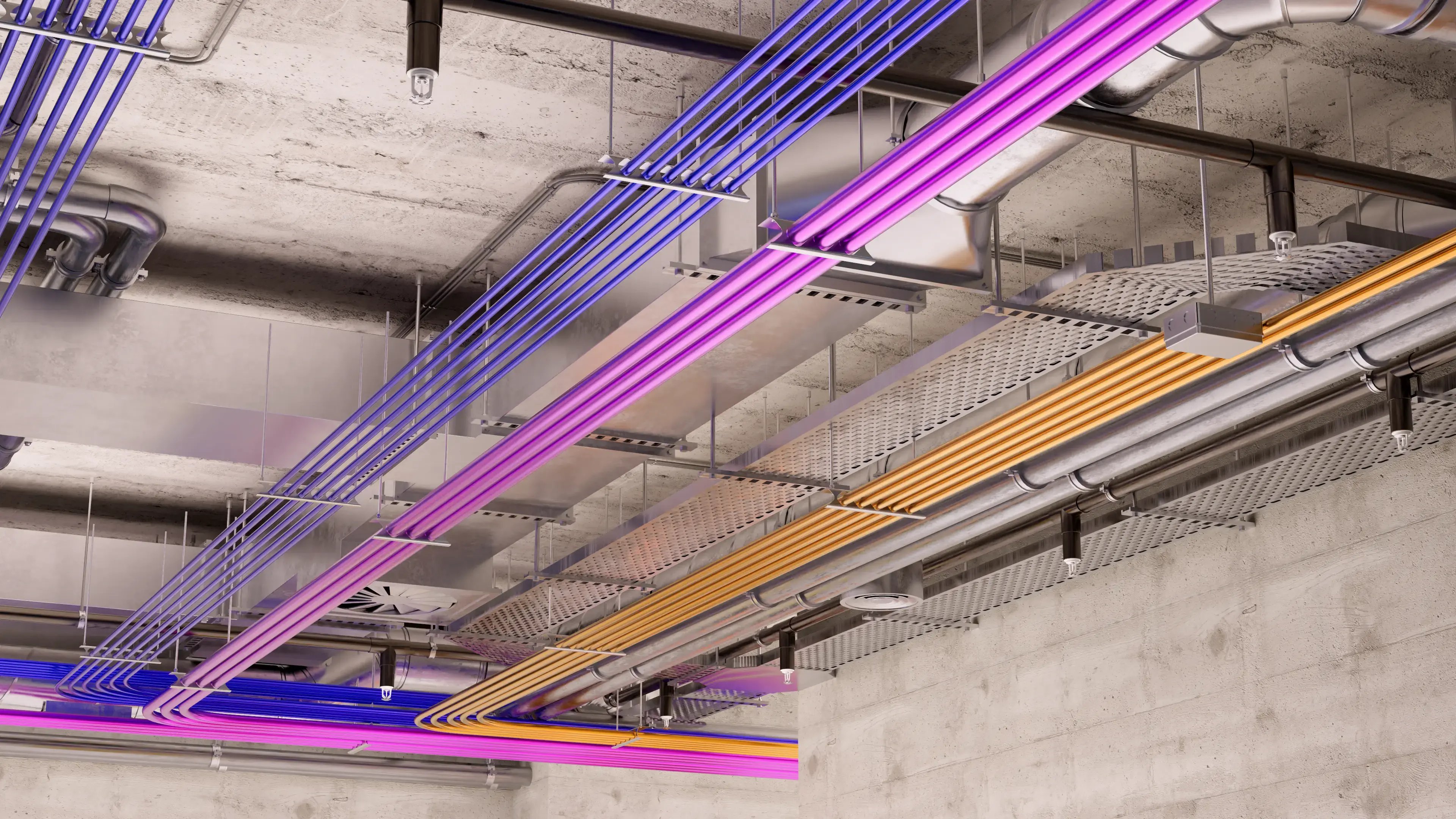
“Drawer AI has been very receptive and accommodating. The team has listened to what we need and worked with us to shape the tool around the way our workflow actually operates.”
Rick Booth, WBS Manager - Project Controls & BIM-SME, Hays Electrical Services
Early Wins
Hays is still in the early stages of Drawer AI adoption, but several workflow benefits have already emerged:
- Supporting project controls workflows that rely on both 2D drawings and BIM information.
- Helping bridge gaps when BIM information is not available quickly enough.
- Giving teams another way to expedite drawing-based deliverables.
- Helping group circuits and raceways for project controls use.
- Generating supporting tables, graphs, and charts for required outputs.
- Producing certain project controls deliverables within a couple of hours.
- Supporting a learning-phase implementation with responsive onboarding and customization support.
- Creating a path for broader adoption, with discussions underway to expand implementation and explore additional BIM capabilities.
A Practical AI Tool for Complex Electrical Projects
For Rick’s project controls and BIM-focused work, Drawer AI is showing promise as a way to move faster from drawing information to usable project outputs. That is especially valuable for a company with major data center work in its backlog, where speed, structure, and coordination matter.
The early value is not just that Drawer AI helps automate pieces of the workflow. It is that the platform helps Hays work with the information they already have, organize it in a more useful way, and continue moving deliverables forward while the broader project information environment develops.
After a few months of use, Hays is still learning, testing, and refining. But the early direction is clear: Drawer AI has the potential to help teams move faster, reduce workflow bottlenecks, and better connect 2D information with project controls and BIM-related needs.
“We are still early, but I would recommend other electrical contractors try Drawer AI and see if it fits their needs. For us, the value is in helping connect the information and keep the workflow moving.”
Rick Booth, WBS Manager - Project Controls & BIM-SME, Hays Electrical Services
The Outcome: Early Adoption With a Clear Path to Broader Use
For Hays Electrical Services, Drawer AI is still early in the journey, but the technology is already helping the team explore a smarter way to support project controls workflows. By using AI-powered tools to work from 2D drawings, group circuits and raceways, and generate useful outputs, Hays is beginning to reduce some of the delays created when teams are waiting on BIM information.
The bigger opportunity is what comes next. Hays is already discussing broader expansion and evaluating how Drawer AI can support additional BIM capabilities across the organization.
For a national electrical contractor managing large, complex projects, that matters. Drawer AI gives Hays a practical way to test AI inside real workflows, support faster deliverables, and continue building toward a more connected project information process.
This is not a finished transformation story yet. It is the beginning of one. And for Hays, the early signal is promising: Drawer AI is helping project teams turn drawing information into usable data faster, with a clear path to expand from early adoption into broader project controls and BIM workflows.
Ready to Bid More, Win More? Start Today.