




AI
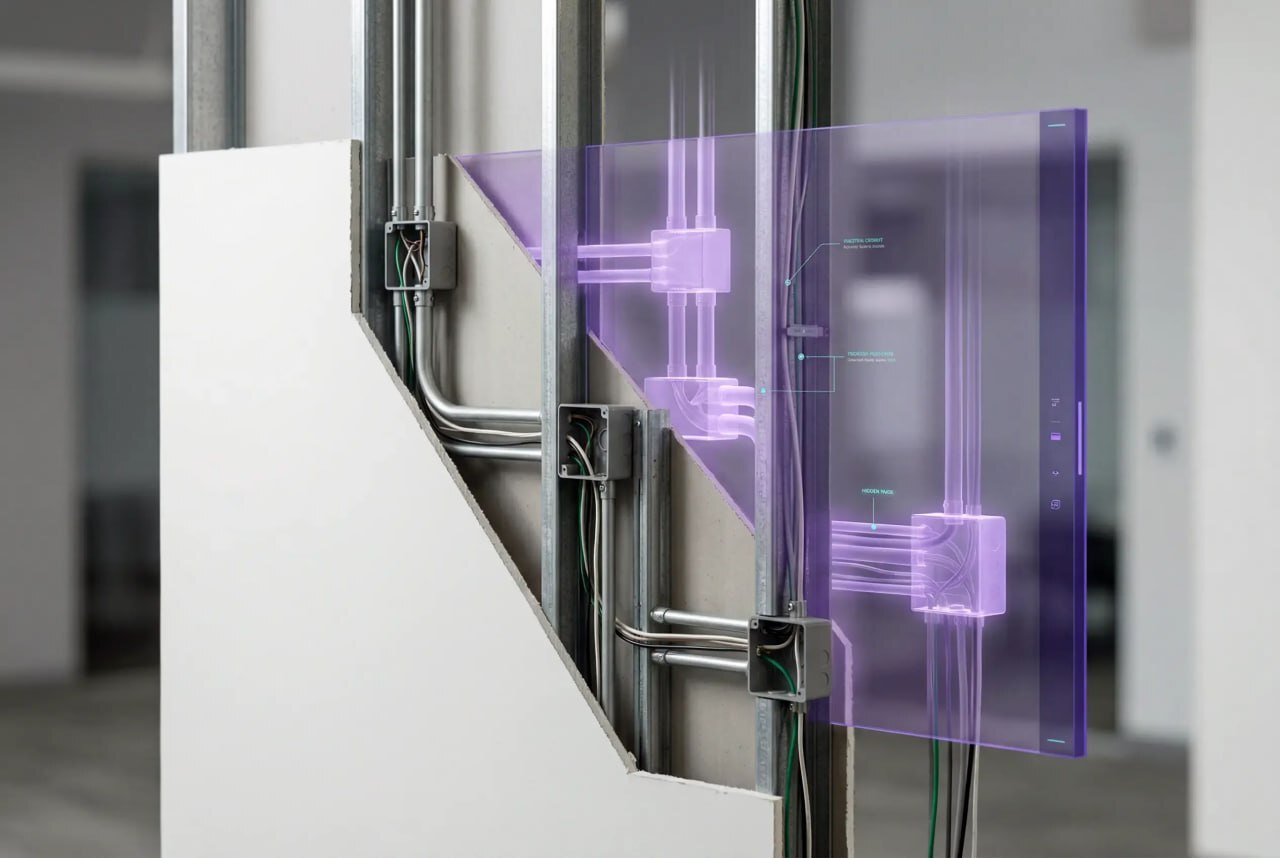
Electrical demolition carries significant risks due to the presence of live electrical systems, hidden circuits that may not be immediately visible, and the necessity for close coordination with other trades working on-site. These factors make the demolition process complex and potentially hazardous.
This article focuses on demolition estimating specifically for electrical work, and does not address structural demolition. The discussion will cover how to define the scope of work, perform a detailed takeoff, and accurately calculate costs related to electrical demolition projects.
Table of Сontents
Poorly prepared demolition estimates can quickly erode profit margins and introduce safety risks, underscoring the importance of careful planning and execution. When estimates fail to account for all necessary labor, materials, and equipment, unexpected costs can arise during the demolition process. These unanticipated expenses may lead to budget overruns, delays in project schedules, and strained relationships with clients and stakeholders.
Inaccurate demolition estimates can reduce profits and jeopardize safety, making thorough planning essential. Overlooked labor, materials, or equipment can lead to unexpected costs, budget overruns, project delays, and strained stakeholder relationships. Resource shortfalls may result in unsafe practices, accidents, or non-compliance with regulations due to missed permits or coordination. Beyond financial setbacks, poor estimates harm a contractor’s reputation, hinder future competitiveness, and threaten overall project success. Accurate, comprehensive estimating ensures profitability and integrity.
Electrical demolition is the process of safely removing or deactivating electrical systems, components, and wiring from a building or facility. This work is typically performed as part of renovation, remodeling, or complete building demolition projects. The scope of electrical demolition can range from disconnecting and removing lighting fixtures, switches, outlets, and panels to pulling out entire circuits and raceways. The goal is to clear existing electrical infrastructure while ensuring that all live circuits are properly identified and de-energized. Proper electrical demolition requires close coordination with other trades and a thorough understanding of the building’s electrical layout to prevent accidental damage or safety hazards.
In practical terms, electrical demolition involves a series of critical steps. These may include site assessments to identify hidden circuits, shutting off and locking out power sources, and carefully dismantling electrical equipment without disturbing adjacent systems. The process demands strict adherence to safety protocols and regulatory requirements, as any oversight could result in accidents or code violations. Ultimately, electrical demolition is an essential part of construction and renovation projects, making way for new installations or building modifications while minimizing risks to workers and property.
A critical step in electrical demolition estimating is clearly defining the project’s scope of work. Two common approaches are “make-safe” and “full removal,” each with its own requirements, procedures, and cost implications. Understanding these distinctions is essential for accurate takeoffs and reliable estimates.
Make-safe refers to the process of ensuring that all electrical systems and components in the work area are rendered safe before demolition proceeds. This typically involves identifying and de-energizing live circuits, locking out and tagging out power sources, and disconnecting or isolating hazardous electrical equipment. The goal is not to remove all wiring and devices but to eliminate immediate risks to workers by preventing accidental contact with live electricity. In many projects, make-safe is performed as a preliminary measure, especially when other trades will be working in the area, or when only partial demolition is planned. The scope of make-safe may also include removing easily accessible devices, covers, or panels, but leaves most infrastructure in place.
In contrast, full removal requires the complete extraction of electrical systems, wiring, devices, raceways, and related components from the designated demolition area. This approach is typically specified when a space is being renovated, repurposed, or demolished entirely, and all traces of the previous electrical installation must be eliminated. Full removal is more labor-intensive and may involve accessing hidden or difficult-to-reach circuits, dismantling panels, and removing conduit embedded within walls or ceilings. It also requires careful coordination to avoid damaging structural elements or systems that are to remain.
Defining whether the project calls for make-safe procedures, full removal, or a combination of both is crucial for accurate estimating. Clear scope definition enables estimators to identify the specific labor, material, and equipment needs for the project. It also helps communicate expectations with clients, project managers, and field personnel, reducing the risk of misunderstandings and unexpected costs. Establishing a detailed scope at the outset ensures that the demolition process proceeds safely, efficiently, and in compliance with all applicable codes and standards.
Thorough drawing review and site verification are fundamental steps in the electrical demolition process. Before any demolition work begins, it is essential to examine all relevant drawings—including electrical, architectural, mechanical, structural, and civil plans. By scrutinizing these documents, estimators and project teams gain a comprehensive understanding of the existing conditions and planned demolition scope. Whenever possible, supplement drawing review with site walks to observe the physical space directly. This combination ensures that estimators do not overlook critical details that could affect safety, cost, or project timelines.
One of the key objectives during this phase is to identify any discrepancies between the “existing” drawings and the actual site conditions. This is particularly important in older buildings, where records may be incomplete or outdated, and modifications made over time may not be reflected in the plans. Spotting these differences early allows the team to address potential challenges before they escalate into costly surprises or delays during demolition.
Several mission-critical tasks must be addressed during drawing review and site verification. These include identifying which circuits are to remain and which are to be removed, accurately marking panel schedules, and confirming access routes such as stairs, shafts, and lifts. Properly distinguishing circuits prevents accidental disconnects and ensures continuity for systems that must stay operational. Confirming access routes is equally important for planning safe and efficient movement of personnel and materials throughout the project site.
Finally, the level of site verification required depends on the project’s complexity. In some cases, a quick visual site check is sufficient, especially for straightforward demolition tasks. However, large or complex demolition projects demand a detailed survey to capture hidden elements, assess access challenges, and verify the accuracy of existing documentation. Determining the appropriate approach ensures that the demolition process is well-informed, safe, and aligned with project goals.
Developing an accurate demolition takeoff for electrical work requires a practical approach that emphasizes time estimation over strict quantity counts. Since the demolition process often presents unique challenges and variables, structuring the takeoff to reflect realistic labor hours ensures better alignment with actual field conditions and supports more reliable project planning.
Begin by counting or categorizing the items slated for removal. This includes listing fixtures, receptacles, panels, feeders, branch circuits, cable trays, and equipment. By organizing these components, estimators can quickly identify the primary elements affected by demolition and allocate resources more effectively. Grouping items in this way also streamlines communication with the field team and other stakeholders.
When the demolition scope is limited to “make-safe only” procedures, the focus shifts from detailed counts to estimating the time required per area or per panel. The process involves identifying, testing, and isolating circuits to ensure that all electrical hazards are addressed. Rather than counting every device, estimators assign labor hours based on the size or complexity of each zone or the number of panels, providing a more flexible and realistic estimate for preliminary safety work.
For projects involving full removal, it is important to quantify representative items—such as fixtures, panels, or lengths of conduit—and then apply established production rates. This means calculating the expected labor hours per fixture, per meter of conduit, or per panel removal. By leveraging these benchmarks, estimators can generate detailed and accurate takeoffs that support both scheduling and budgeting, while maintaining consistency across similar demolition projects.
Modern digital and AI-assisted takeoff solutions can further enhance the demolition estimating process. These tools efficiently identify and group devices marked “remove” on project drawings, reducing manual effort and speeding up takeoff generation. By automating repetitive tasks, digital takeoff methods help estimators focus on higher-level planning and analysis, ultimately improving the accuracy and efficiency of electrical demolition projects.
Once the demolition takeoff is completed, it is essential to translate the itemized quantities and labor hour estimates into a structured cost estimate. The following sections outline the key components that form the basis of a comprehensive demolition estimate, guiding the estimator from takeoff to final pricing.
Begin by detailing labor requirements for each major task involved in demolition. This includes specifying the crew size and assigning labor hours to activities such as make-safe procedures, removal of devices, tagging circuits, and panel updates. For areas requiring shutdowns outside normal hours, estimate overtime to accurately reflect field conditions. By categorizing labor by task, the estimator ensures a transparent allocation of manpower and time for each phase of the project.
Next, list the equipment necessary to support the demolition effort. Include items such as lifts, scaffolds, rigging, cranes for heavy gear, and small tools. Identify which tasks require specialized equipment and estimate their usage duration. This step helps capture the direct costs associated with mobilizing and operating equipment throughout the demolition process.
Accounting for waste and disposal is critical. Estimate the number and size of dumpsters, hauling requirements, and tipping fees. If the project involves special or contaminated waste, note these separately to ensure proper handling and accurate pricing. This section prevents unforeseen expenses related to material removal and environmental compliance.
Include indirect costs that support demolition operations but are not tied to specific tasks. These typically cover permits, safety supervision, project management, and inspections. By itemizing indirects, the estimator provides a clear picture of the administrative and logistical expenses required for safe and compliant execution.
Finally, apply overhead and profit percentages to the total direct costs. This step is performed after all direct costs are built up, ensuring that markups are calculated on a complete and accurate base. The resulting figure represents the final demolition estimate, ready for review and submission.
Electrical demolition projects often carry hidden costs and frequently omitted tasks that can significantly affect the accuracy of estimates. Overlooking these elements can lead to budget overruns, delays, and complications during execution. The following checklist highlights common areas that are missed or underestimated and should be carefully reviewed by the demolition estimator before finalizing labor hours and costs.
Carefully reviewing these items before finalizing the estimate helps ensure that all necessary steps and potential costs are captured, supporting a more accurate and reliable demolition budget.
Demolition estimating is heavily influenced by safety requirements and regulatory guidelines. Contractors must consider how compliance with safety rules, such as lockout/tagout procedures, affects the planning and budgeting process.
Proper lockout/tagout implementation ensures that all circuits and electrical equipment are safely de-energized, which is essential to protect workers and prevent accidents. Additionally, hot work permits are often required for tasks that generate sparks or heat, introducing another layer of documentation and oversight that can impact the schedule and cost. Working around live systems or in buildings with partial occupancy adds further complexity, as areas may need to remain operational, demanding additional safeguards and potentially more labor.
Another critical consideration is the management of hazardous materials discovered during the project. For example, finding asbestos near electrical components or polychlorinated biphenyls (PCBs) within equipment requires specialized abatement procedures and disposal methods. These unforeseen conditions can lead to increased costs and project delays, making it essential to account for such risks in the estimate.
Given the hidden conditions and access risks typical of electrical demolition, it is prudent to include reasonable contingency allowances in the budget. These contingencies help cover unexpected challenges, such as discovering hazardous materials or encountering difficult-to-access systems, supporting a more resilient and accurate estimate.
Digital tools are increasingly shaping the process of electrical demolition estimating, making it more efficient and accurate. By leveraging technology, contractors can streamline tasks that once required extensive manual effort and reduce the risk of missing crucial items.
PDF or plan-based takeoff tools are particularly valuable for highlighting devices, panels, and circuits marked for removal. These platforms allow users to visually annotate plans, identifying specific trade-related electrical components that must be demolished. As estimators work through the drawings, these tools help ensure that the scope of removal is clearly documented, reducing ambiguity and improving communication among project stakeholders.
AI-powered platforms bring further automation to the estimating process. They can quickly scan annotated demolition sheets and identify electrical devices, panels, and circuits slated for removal. These platforms speed up the counting and grouping of demo items, allowing estimators to efficiently convert marked elements into quantifiable data. Once grouped, this information can be fed directly into estimating systems, supporting the development of accurate budgets tailored to electrical demolition work.
The use of digital and AI tools is especially effective when focused on trade-specific elements, such as electrical devices, panels, and circuits. This specificity ensures that estimates reflect the actual scope of work required for electrical demolition, rather than relying on generic assumptions. Accurate, trade-focused takeoff and counting provide a strong foundation for planning labor, material, and contingency allowances.
Drawer AI offers additional support for demo sheets, complementing its capabilities for new work takeoff. By applying its features to demolition plans, Drawer AI helps streamline the identification and quantification of electrical items to be removed, further enhancing the efficiency of the estimating process for electrical contractors.
Digital tools and AI-driven platforms have significantly improved the accuracy and efficiency of electrical demolition estimating. By focusing on trade-specific tasks such as identifying and quantifying electrical devices, panels, and circuits slated for removal, these technologies ensure that estimates are both thorough and precise. Drawer AI stands out by streamlining the takeoff and quantification process, reducing manual effort, and supporting clear communication among project stakeholders. Utilizing these advanced tools enables estimators to develop more robust budgets while also reducing the likelihood of unforeseen expenses and project delays.
To enhance your electrical demolition estimating process, consider integrating Drawer AI into your workflow. Its specialized features for demolition plans can help your team achieve greater accuracy, efficiency, and confidence in every estimate. Try the demo to explore how it works on real drawings and see the impact on your takeoff and estimating process. Embrace the future of estimating with Drawer AI and take your projects to the next level.
Demolition cost is calculated by quantifying all items to be removed, such as electrical devices, panels, and circuits, and assigning unit costs to each. The estimator then sums these costs and includes labor, materials, and any contingencies to ensure a comprehensive and accurate budget for the demolition phase.

14425 Falcon Head Blvd
Building E, Suite 100,
Austin, TX 78738
Created by Estimators, Powered by AI and Innovation
Copyright © 2026 Drawer AI. All rights reserved.