




AI
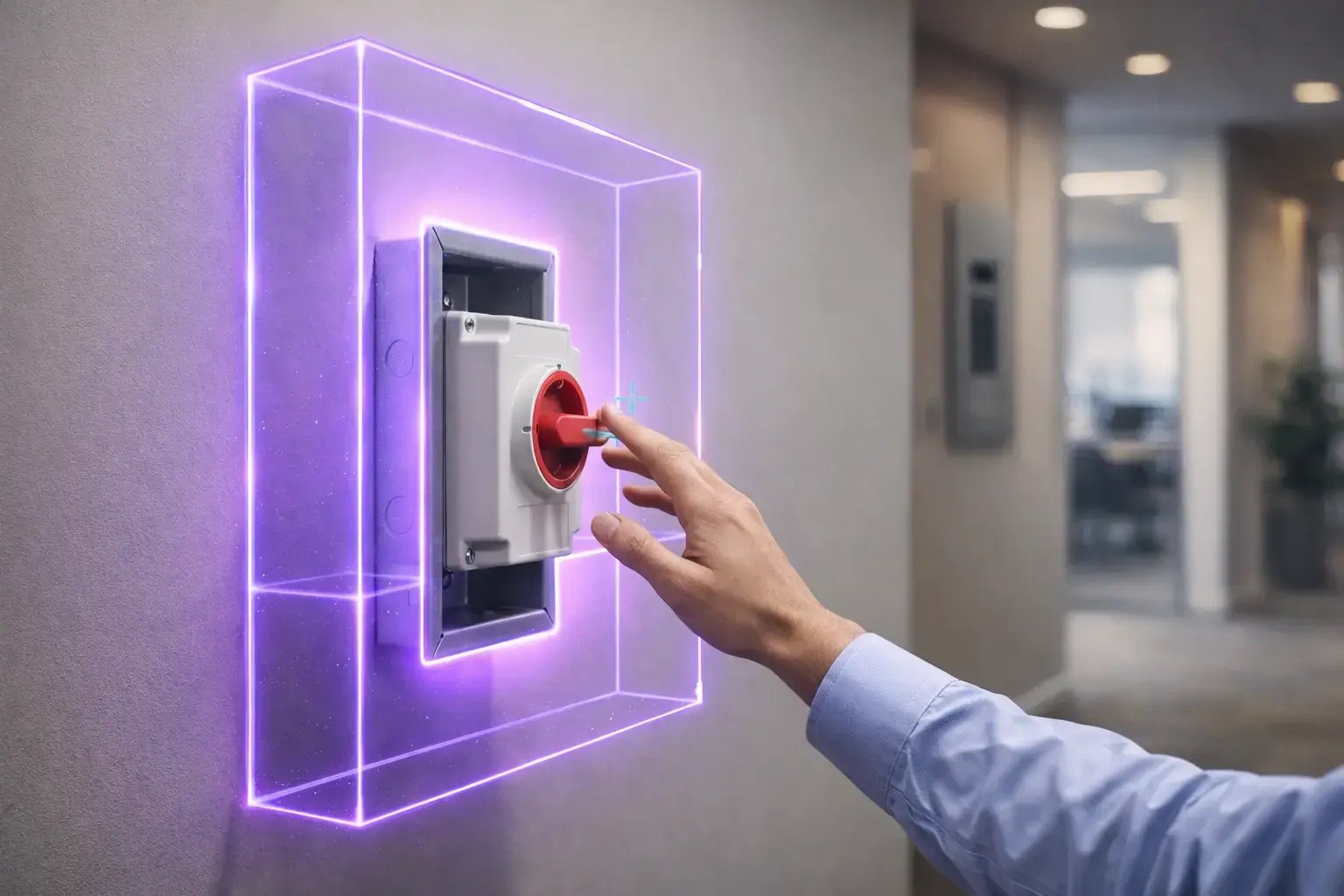
Estimators play a critical role in ensuring that electrical installations meet National Electrical Code (NEC) requirements. Understanding the concept of “readily accessible” is essential for accurate project planning, cost estimation, and compliance. This guide outlines key considerations and practical tips for identifying and specifying devices that must be readily accessible under the NEC.
The NEC sets forth strict standards to protect people and property from electrical hazards. For estimators, knowing which devices must be “readily accessible” is vital—not only for safety and inspection purposes, but also to avoid costly rework and ensure project efficiency. This section introduces the importance of accessibility in electrical installations and highlights why estimators must be familiar with these requirements.
Table of Сontents
The term “readily accessible” in the NEC means that a device can be reached quickly and easily without the need for tools, ladders, or removal of obstacles. For example, circuit breakers intended for routine operation must be readily accessible to occupants. This differs from “accessible,” which allows for access but may require tools or removal of panels, and “concealed,” which refers to devices hidden from view or behind barriers.
Estimators should know:
By distinguishing between these terms, estimators can ensure clarity in design documents and compliance throughout the installation process.
When planning electrical installations, it is essential for estimators to recognize specific areas where the National Electrical Code (NEC) requires devices to be “readily accessible.” These requirements impact not only safety and compliance, but also the overall efficiency and cost of the project. This section highlights typical scenarios and device types where the concept of ready accessibility is particularly important, offering practical guidance to help avoid compliance issues and ensure smooth project execution.
|
Device Type |
Typical Locations |
Accessibility Rationale |
Common Issues |
|
GFCI (Ground Fault Circuit Interrupter) Receptacles |
Kitchens, bathrooms, garages, outdoor areas |
Allow for regular testing and resetting to ensure protection against electrical shock hazards. |
Installed behind appliances, inside cabinets, or locations requiring tools for access. |
|
Disconnect Switches |
HVAC units, water heaters, appliances, machinery |
Enable fast shutoff in emergencies or during maintenance; must be operable without special effort. |
Located in locked rooms, behind partitions, or above reachable height. |
|
Overcurrent Protection Devices (Circuit Breakers, Fuses) |
Panelboards, distribution panels, service entrances |
Permit prompt inspection and replacement to restore power or address faults. |
Placed in crawl spaces, behind locked doors, or above ceilings. |
GFCI Receptacles:
Disconnect Switches:
Overcurrent Protection Devices:
Across all of these device types, the NEC’s ‘readily accessible’ requirements boil down to a few core principles that estimators should keep in mind on every project
| Aspect | What it Means | Estimator Focus |
|---|---|---|
| No Special Effort | No tools, keys, ladders, or obstacle removal needed | Flag any devices behind millwork or in locked areas |
| User Accessibility | Usable by people with varying mobility | Check heights, clearances, and reach ranges |
| Compliance Impact | Violations cause rework, failed inspections, safety risks | Catch issues on drawings before installation |
Estimators must integrate accessibility concerns early in project design and layout. For example, placing GFCI outlets at countertop height, rather than behind appliances or sinks, ensures compliance and prevents costly revisions. Similarly, disconnect switches should be installed at eye level and near the equipment served to facilitate safe shutoff. Estimators should review architectural drawings for potential obstacles—such as cabinetry, furniture, or partitions—that could block access to devices. Thoughtful design choices reduce the likelihood of violating codes, enhance safety, and streamline inspection processes.
In addition, estimators should evaluate the layout for compliance with NEC requirements that mandate devices be “readily accessible.” This means considering the reach range for all users, including those with limited mobility, and avoiding placements that require tools, keys, ladders, or removal of obstacles. For example, panelboards and fuse boxes should never be located behind locked doors, above ceilings, or inside restricted spaces. Instead, they should be positioned in open, unobstructed areas where anyone can access them quickly for routine maintenance or emergencies.
Estimators should also coordinate closely with architects and other design professionals to ensure that accessibility considerations are documented in project drawings and specifications. This includes flagging potential barriers, confirming ADA and universal design compliance, and specifying device locations that support both inspection and replacement without barriers. By proactively addressing these issues, estimators help minimize the risk of field rework, inspection failures, and safety hazards.
Finally, leveraging digital takeoff and estimating tools can further support compliance by providing visual feedback and simulating maintenance scenarios. These tools can identify devices placed outside recommended height ranges, behind obstacles, or in locations that may restrict access. This technology enables estimators to suggest alternative placements and document accessibility solutions, ultimately ensuring safer, more efficient installations and reducing the likelihood of costly corrections after construction begins.
Frequent errors involve placing accessible devices in hard-to-reach areas or behind barriers. For instance, installing a panelboard behind shelves or inside a locked closet requires removal or special tools, which contradicts NEC guidelines. Field rework often entails relocating outlets from behind heavy appliances to more visible spots, or moving disconnect switches from inside mechanical rooms to exterior walls. These corrections can delay project completion, increase labor costs, and introduce avoidable risks.
Additional examples of field rework include:
These types of rework typically require additional labor, material costs, and may disrupt ongoing operations or inspections. They also risk failing compliance reviews, which can further delay project handover and increase expenses. By identifying potential accessibility issues early and documenting compliant device locations, estimators can help avoid these costly corrections and ensure safer, more efficient facility operation.
A thorough checklist helps estimators identify potential accessibility issues before installation, preventing costly field rework and ensuring compliance with NEC and ADA requirements. Use the following expanded questions to guide your review of device locations and access strategies:
By systematically addressing these questions, estimators can help ensure accessible, compliant, and efficient facility operations, minimizing costly changes and supporting a safer built environment.
Digital takeoff and estimating tools play a pivotal role in supporting National Electrical Code (NEC) accessibility requirements throughout the project lifecycle. These tools allow estimators and project teams to visually map out device placements—such as outlets, switches, and panels—on digital floor plans, providing instant feedback on compliance. For example, software platforms highlight devices that are positioned behind cabinetry, millwork, or other obstructions, or those that fall outside prescribed mounting height ranges. This immediate identification enables teams to adjust layouts before construction begins, preventing accessibility issues that could otherwise lead to costly rework.
Furthermore, advanced digital tools can simulate maintenance and emergency scenarios. By virtually navigating the facility, estimators can verify that devices like GFCI outlets, disconnect switches, and circuit breakers are accessible for routine testing, repairs, or emergency shutoff. These simulations help ensure that all electrical components are not only visible but reachable, supporting safe and efficient facility operations. Additionally, digital platforms often include built-in NEC compliance checks, flagging any locations that may require field correction or risk failing inspection. This proactive approach minimizes the likelihood of accessibility violations and supports collaboration between trades—such as HVAC, plumbing, and millwork—by identifying potential conflicts early in the design process.
By leveraging digital takeoff and estimating solutions, estimators contribute to the creation of accessible, compliant, and efficient electrical systems. These tools streamline the review process, reduce human error, and support safer built environments by minimizing costly changes during construction and ensuring that all devices remain accessible for future maintenance and emergencies.
To see how this works in practice, you can request a demo and explore how Drawer AI supports NEC-ready layouts and accessibility checks.
In summary, digital takeoff and estimating tools are essential for ensuring National Electrical Code (NEC) accessibility and compliance throughout every stage of a project. These solutions streamline device placement reviews, simulate maintenance and emergency scenarios, and flag potential conflicts or compliance issues before construction begins. By leveraging technology, estimators and project teams can minimize costly changes, reduce human error, and create safer, more efficient environments.
To further enhance these benefits, consider integrating Drawer AI into your workflow. Drawer AI offers powerful features for visualizing device locations, checking compliance, and supporting collaboration across trades. By adopting Drawer AI, you empower your team to proactively solve accessibility challenges and maintain the highest standards for facility operations. Take the next step toward safer, more accessible electrical systems—explore how Drawer AI can support your projects today.
According to the National Electrical Code (NEC), “readily accessible” refers to electrical devices that can be reached quickly and easily for operation, maintenance, or inspection. This means there are no obstacles such as locked doors, ladders, or furniture that would hinder access by a qualified person.
“Readily accessible” is a stricter requirement than “accessible.” While “accessible” means a device can be reached without damaging the building or structure, “readily accessible” further specifies that no tools, keys, or ladders are needed to reach the device. The device must be immediately available for use or inspection.
Devices that usually must be readily accessible under the NEC include ground-fault circuit interrupters (GFCIs), disconnect switches, circuit breakers, and certain outlets. These are components that may require quick access for safety, maintenance, or emergency shutoff.
The requirement for devices to be “readily accessible” impacts electrical estimating and project costs by potentially increasing the need for coordination, design adjustments, and labor. Ensuring compliance may require changes to device locations, additional materials, or modifications to architectural elements, all of which can affect the overall budget and project schedule.
Common mistakes include placing devices behind obstructions such as cabinetry or millwork, specifying mounting heights outside of code requirements, or overlooking the need for clear access during maintenance or emergencies. These errors can result in compliance issues and costly rework.
Yes, local amendments to the NEC or interpretations by the Authority Having Jurisdiction (AHJ) can influence how “readily accessible” is enforced. Estimators and contractors must verify and comply with any local requirements or interpretations in addition to the base NEC definitions.

14425 Falcon Head Blvd
Building E, Suite 100,
Austin, TX 78738
Created by Estimators, Powered by AI and Innovation
Copyright © 2026 Drawer AI. All rights reserved.