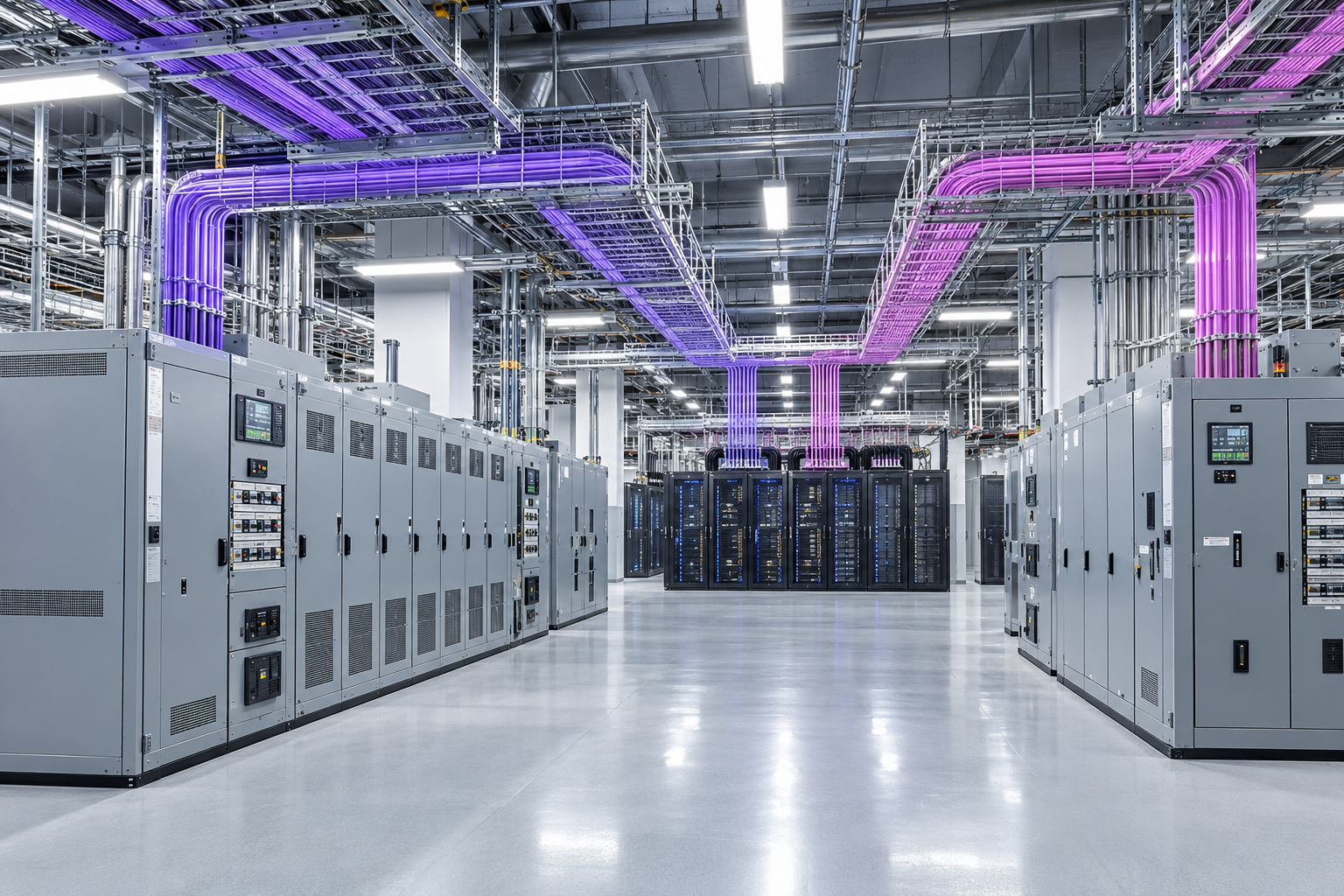



AI
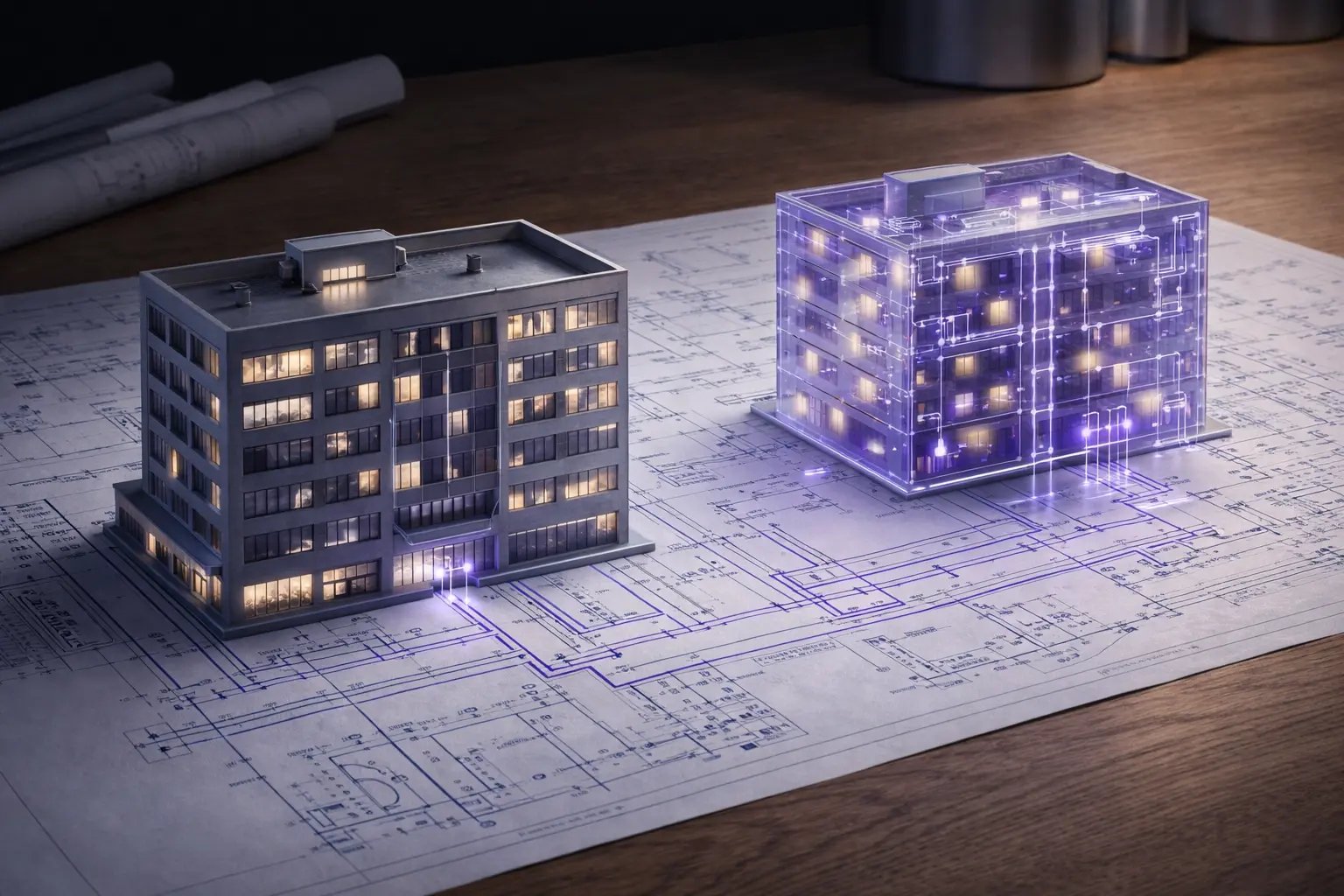
Wiring commercial buildings presents unique requirements and a larger scale compared to other types of construction.The complexity and scope of these systems demand careful consideration throughout the planning and installation process. Adhering to proper planning and ensuring compliance with relevant standards are essential for safety, reliability, and efficiency. This planning process reduces change orders, minimizes rework, and improves inspection pass rates.
This guide provides an overview of commercial building electrical wiring and the components of a typical commercial building electrical system, emphasizing the importance of thorough planning, adherence to standards, and understanding the unique requirements of commercial systems. It highlights the key components involved—such as panels, circuits, and conduits—and explains how commercial wiring differs from residential setups, particularly in terms of complexity, load demands, and the necessity for detailed schematics to ensure safe, reliable, and efficient electrical installations.
Table of Сontents
Commercial electrical systems consist of several key components, including panels, circuits, conductors, conduits, breakers, outlets, and fixtures. Each element plays a vital role in the safe and effective distribution of electricity throughout the building, forming the backbone of reliable commercial building wiring.
There are several significant differences between commercial and residential electrical systems, both in terms of design and the types of components used.
One major distinction is that commercial installations commonly utilize three-phase wiring, whereas residential systems typically use single-phase wiring. Three-phase wiring is essential for commercial environments because it allows for the efficient delivery of larger amounts of power, which is necessary to support heavy equipment, extensive lighting systems, and machinery commonly found in offices, warehouses, or retail spaces.
For example, a commercial kitchen in a restaurant may require multiple high-powered appliances such as industrial ovens, refrigerators, and dishwashers, all running simultaneously. These appliances collectively draw much more electrical current than what is typically needed in a home kitchen. Three-phase wiring distributes this load more evenly and reduces the risk of overloading circuits, ensuring reliable operation and minimizing downtime.
Additionally, load requirements in commercial settings are usually much greater due to the higher density of electrical devices and systems. In an office building, for instance, there may be hundreds of computers, printers, and HVAC units, all of which need to be accounted for in the design and capacity of the electrical system. This contrasts with a residential home, where the electrical load is primarily determined by standard household appliances and lighting.
The complexity and scale of commercial wiring also demand the use of detailed schematics during planning and maintenance. These schematics provide comprehensive layouts of all circuits, panels, conduits, and equipment locations. For example, in a multi-story commercial building, the schematic might indicate how emergency lighting circuits are routed separately from standard lighting, or how backup generators are integrated into the overall system. Such detail is vital for troubleshooting, future upgrades, and ensuring compliance with safety and building codes. In contrast, residential wiring plans are generally simpler, with fewer circuits and less specialized equipment.
Effective planning is essential for the successful installation of electrical wiring for commercial buildings, ensuring that systems are designed and installed to meet both operational needs and code requirements.This process begins with interpreting and developing a comprehensive commercial electrical plan that outlines the specific requirements of the project. The plan serves as a blueprint for the entire installation, detailing the placement of panels, circuits, conduits, and fixtures to ensure safe and efficient power distribution throughout the facility.
A critical step in the planning phase involves gathering information about electrical loads, occupancy types, and applicable code constraints. Accurately calculating the expected loads based on the intended use of each space ensures that the system will meet operational demands without risk of overload. Consideration of occupancy types helps tailor the design to the unique needs of each area, whether it is an office, warehouse, or retail space. Compliance with local and national electrical codes is also vital to ensure legal and safe installation practices.
Coordination with other professionals—including architects, HVAC specialists, fire protection engineers, and IT/data teams—is necessary to integrate the electrical system with other building systems. Collaborative planning helps address potential conflicts, maintain efficient workflows, and support the overall functionality of the facility. By working closely with these teams, the electrical design can accommodate HVAC equipment, fire safety systems, and data infrastructure, resulting in a cohesive and reliable installation.
Commercial electrical installations utilize a variety of wiring methods and raceway systems to meet specific environmental, safety, and accessibility requirements. The choice of wiring or raceway depends largely on the application and the conditions present within the building.
Selection of wiring and raceway systems is influenced by several factors:
It is essential to select materials and installation methods that comply with all relevant codes and standards. Code-compliant systems ensure safety, legal adherence, and the long-term reliability of the electrical installation. Choosing the appropriate materials for each application supports both the integrity and functionality of the overall electrical system.
Understanding how to read and produce wiring diagrams, schematics, and layout plans is essential in commercial electrical work. These documents visually represent the connections and components within an electrical system, allowing for accurate installation, troubleshooting, and future modifications. See a Drawer AI case study with some examples.
Commercial electrical drawings utilize specific symbols to represent devices, wiring methods, and equipment. Familiarity with these symbols is crucial for interpreting plans efficiently. Wiring layouts detail the physical arrangement of circuits, while panel schedules provide information about panelboard configurations and circuit assignments. Branch circuit mapping ensures that the location and path of each circuit are documented, supporting both installation and ongoing maintenance. For how these circuits differ from the feeders that supply them, see our guide to branch circuits vs feeders.
Modern digital tools, such as Drawer AI, streamline the process of plan extraction, takeoff, and symbol identification. These solutions assist in quickly analyzing diagrams, identifying components, and generating material lists, enhancing overall project efficiency and accuracy.
The installation process begins with the initial rough-in, where cables, conduits, and raceways are installed according to the wiring diagram and layout plans. This stage establishes the foundational infrastructure for the electrical system.
Once the rough-in is complete, devices such as outlets, switches, and lighting fixtures are installed at their designated locations. Proper mounting and secure connections are ensured to maintain system integrity.
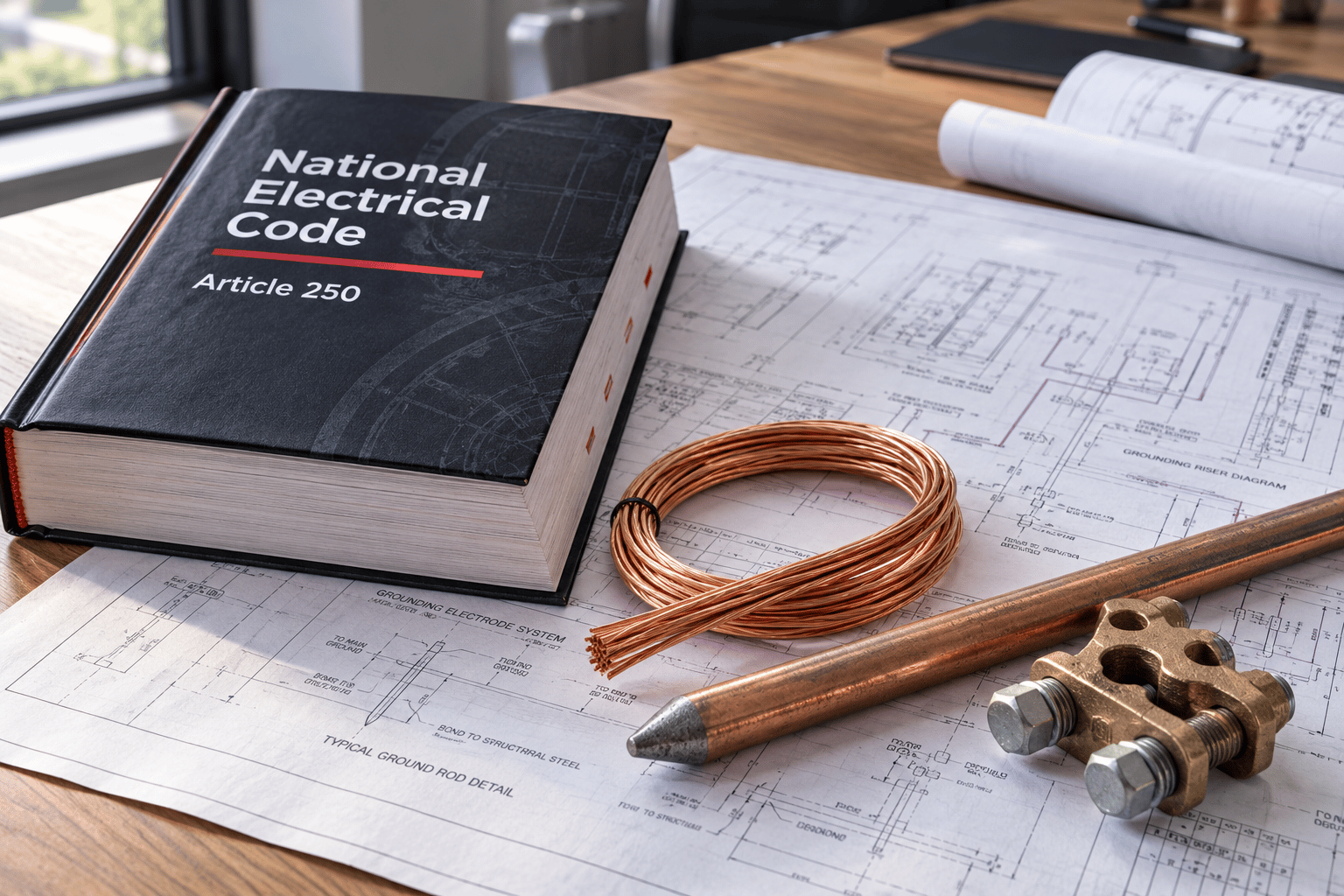
Grounding and bonding procedures are carried out to safeguard the electrical system against faults and ensure compliance with safety standards. This step provides a reliable path for electrical currents and helps prevent hazards.
All wiring terminations and connections are finalized, including connections within panels and junction boxes. Attention to detail during this stage is crucial for reliable system operation.
Each circuit is clearly labeled according to the branch circuit mapping and panel schedules. Accurate labeling supports troubleshooting and future maintenance.
The system is powered up and thoroughly tested. Functional tests confirm that devices and fixtures operate as intended and that all connections are secure.
An inspection is conducted to verify code compliance and proper installation. Upon successful review, the project is signed off, indicating completion and readiness for use.
Quality control measures are implemented throughout the installation process to avoid common errors and ensure adherence to relevant codes and standards. Final checks guarantee the reliability and safety of the electrical system.
All electrical installations are governed by the National Electrical Code (NEC), along with any local amendments that may apply. These codes ensure that safety and quality requirements are met throughout the project. The Authority Having Jurisdiction (AHJ) is responsible for reviewing the installation, granting approval, and confirming that all aspects of the work align with regulatory standards. Without AHJ sign-off, the project cannot proceed to operation.
Comprehensive inspection and functional testing are essential parts of code compliance. Each device and fixture is thoroughly tested to confirm proper operation, and all connections are checked for security. Accurate labeling according to branch circuit mapping and panel schedules makes troubleshooting and future maintenance easier and more reliable.
Quality control measures are applied throughout the installation process, helping to avoid common errors and maintain adherence to established codes and standards. These checks include verifying material selection, installation techniques, and ensuring that final connections are reliable and safe.
Documentation is a critical aspect of regulatory compliance. Records of inspections, test results, and as-built conditions are maintained for future audits and reference. Proper documentation not only supports code compliance but also provides a foundation for ongoing system reliability and efficient maintenance.
Utilizing modular and prefabricated wiring systems streamlines the installation process in commercial projects. These solutions simplify onsite assembly, reduce labor requirements, and minimize the chances of errors during installation. As a result, modular and prefab wiring contributes to consistent quality and faster project completion.
Incorporating smart controls into commercial electrical installations enhances system functionality and efficiency. Smart controls enable automated management of lighting, HVAC, and other building systems, leading to improved energy savings and user convenience.
Digital collaboration tools support project teams in coordinating design, installation, and troubleshooting efforts. By sharing documentation and updates electronically, stakeholders can address issues quickly and maintain clear communication throughout the project lifecycle.
The adoption of advanced estimating and takeoff solutions, particularly Drawer AI, is transforming commercial installations by delivering exceptional time and cost savings. Drawer AI stands out for its ability to automate complex calculations and assess material quantities with speed and precision, drastically reducing manual effort and minimizing the likelihood of costly mistakes. By integrating Drawer AI into project workflows, teams can not only streamline budgeting and project management but also proactively mitigate risks and enhance overall project accuracy. This innovative tool empowers commercial installers to achieve higher efficiency and reliability throughout the installation process.
In summary, successful commercial electrical installations depend on meticulous planning, current documentation, and ongoing quality control. These pillars not only ensure code compliance and safety but also foster efficient project delivery and long-term reliability.
Embracing digital design and takeoff tools, such as Drawer AI, can significantly improve project accuracy, streamline workflows, and help teams stay ahead of regulatory requirements. For those interested in elevating their commercial installation processes, request a demo of Drawer AI to discover how advanced digital solutions can transform your next project.
Commercial wiring systems are designed to accommodate higher power demands, wider distribution, and more robust safety requirements compared to residential wiring. These installations often involve larger-scale layouts, the use of specialized materials, and adherence to stricter codes and standards to meet the operational needs of commercial buildings.
Planning a commercial electrical installation involves thorough analysis of building requirements, careful layout design, and coordination with other construction disciplines. Detailed documentation and meticulous planning are essential to ensure code compliance, system reliability, and efficient project delivery.
To ensure that a commercial wiring project meets safety codes, it is important to stay up to date with the latest regulations and standards. Comprehensive planning, use of current documentation, and ongoing quality control throughout the installation process are vital steps to maintain compliance and safety.
Yes, testing and inspection are necessary after installation to verify that the wiring system operates correctly and safely. These procedures help identify any issues or deficiencies, ensuring the system meets regulatory requirements and functions as intended.
Running wiring above drop ceilings is possible, but it may require special cable trays or support systems to comply with building codes. It is important to follow all applicable regulations when routing wiring in these areas to ensure safety and maintain accessibility for future maintenance.

14425 Falcon Head Blvd
Building E, Suite 100,
Austin, TX 78738
Created by Estimators, Powered by AI and Innovation
Copyright © 2026 Drawer AI. All rights reserved.